
Tracking Personal Achievements Weekly
Life can feel overwhelming if we’re constantly chasing goals without noticing the progress we make. Often, we get so focused on the big picture that the small victories—the little wins that move us forward—go unnoticed. That’s where tracking personal achievements weekly comes in. By taking time to reflect on what you’ve accomplished each week, you create a clear view of your growth, stay motivated, and develop habits that lead to long-term success.
Tracking achievements isn’t about boasting or comparing yourself to others. It’s about creating a personal record that shows how far you’ve come, identifying patterns, and learning from both successes and setbacks. Whether your goals are professional, educational, health-related, or personal, weekly tracking turns abstract aspirations into tangible results, helping you move forward with confidence.
Why Weekly Tracking Matters
Many people set goals at the beginning of the month or year, only to forget about them days later. Without regular tracking, it’s easy to feel like you’re not progressing, even if you are. Weekly tracking creates structure and accountability. By setting aside time each week to review your achievements, you acknowledge your efforts and see incremental progress that might otherwise be invisible.
Tracking your achievements also has psychological benefits. It reinforces positive behavior by making your progress visible, which increases motivation. When you see that you completed tasks, learned new skills, or overcame challenges, it creates a sense of accomplishment. Over time, these small wins build confidence, resilience, and a sense of control over your life.
Additionally, weekly tracking helps identify patterns. Maybe you notice that you’re more productive on certain days, or that certain types of tasks take longer than expected. This awareness allows you to plan more effectively, optimize your workflow, and avoid burnout.
How to Track Personal Achievements Weekly
1. Set Clear Goals
Before you can track achievements, you need clear goals. Goals give your tracking structure. They should be specific, measurable, and realistic. For example, instead of “exercise more,” aim for “complete three 30-minute workouts this week.” Rather than “read more books,” target “read 50 pages each week.” Clear goals make it easier to see progress and motivate consistent effort.
2. Choose a Tracking Method
Decide how you want to record your achievements. Options include:
- A physical notebook or journal
- A planner with a weekly layout
- A spreadsheet on your computer
- Mobile apps for goal tracking
The method is less important than consistency. Pick a format you will actually use. If writing by hand motivates you, grab a notebook. If digital tools keep you organized, a spreadsheet or app may be better.
3. Break Goals Into Tasks and Milestones
Large goals can feel overwhelming. Breaking them into smaller, manageable tasks makes tracking easier and keeps you motivated. For instance, if your weekly goal is to write a blog post, your tasks could include:
- Outlining the post
- Writing the first draft
- Editing and formatting
- Publishing
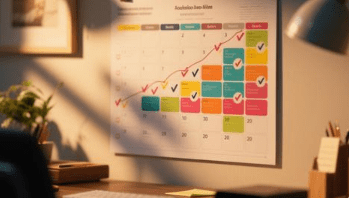
As you complete each task, you can check it off your list, creating a visual record of progress. Small wins add up and make big goals achievable.
4. Record Achievements Regularly
Set a regular schedule for documenting your achievements. Some people prefer daily entries, while others do a full weekly review. Either way, consistency matters. Include everything, no matter how small. Finished tasks, learning moments, and positive habits count. For example:
- Completed a 20-minute workout
- Learned a new Excel formula
- Finished reading two chapters of a book
- Helped a colleague solve a problem
Recording even minor wins reinforces the habit of noticing progress and encourages momentum.
5. Reflect and Analyze Progress
Weekly reflection is key to effective achievement tracking. Take time to ask yourself:
- Did I meet my goals this week?
- What went well and why?
- What challenges did I face?
- How can I improve next week?
Reflection turns simple record-keeping into meaningful growth. It allows you to see trends, adjust strategies, and plan for better results. Over time, this process becomes a powerful tool for personal development.
6. Celebrate Wins and Learn From Mistakes
Celebrating your successes, no matter how small, reinforces positive behavior and keeps you motivated. Treat yourself for completing a tough project, learning a new skill, or maintaining a healthy habit all week. Even small celebrations—a cup of coffee, a short walk, or sharing your accomplishment with a friend—create a sense of reward.
Equally, don’t ignore setbacks. Mistakes are valuable learning opportunities. Analyzing what didn’t work helps you improve your planning and approach. Weekly tracking balances celebration with reflection, making growth sustainable.

Practical Examples of Weekly Achievement Tracking
Example 1: Fitness Goals
If your goal is to improve your fitness, you can track workouts, steps, or calories burned. For instance:
- Monday: 30-minute run
- Wednesday: Strength training session
- Friday: Yoga class
Recording each activity allows you to see progress in endurance, strength, or flexibility over weeks.
Example 2: Learning Goals
If learning a new language is your target, track vocabulary learned, lessons completed, or conversations practiced. For example:
- Monday: 20 new words
- Wednesday: Completed Lesson 3 on an app
- Friday: Practiced speaking with a friend
This approach keeps you motivated and highlights tangible progress.
Example 3: Work or Career Goals
Track tasks, projects, or skills acquired during the week. For instance:
- Completed a client report
- Attended a training session
- Implemented a new workflow
Seeing these accomplishments documented builds confidence and shows measurable progress over time.
Example 4: Personal Development
Track habits like meditation, journaling, reading, or creative projects. For example:
- Meditated 10 minutes daily
- Wrote in a journal three times
- Painted one small art piece
This reinforces consistency and keeps you aligned with personal growth goals.
Tips for Successful Weekly Tracking
- Keep it simple: Bullet points work better than long paragraphs.
- Be honest: Record what actually happened, not what you wish happened.
- Include qualitative and quantitative achievements: Balance numbers with experiences and insights.
- Review mid-week: Check progress to stay on track before the week ends.
- Reward yourself: Use small rewards to reinforce consistency.
- Adjust goals as needed: Weekly tracking is flexible; adapt to real-life circumstances.
Benefits of Weekly Achievement Tracking
- Motivation: Seeing progress encourages continued effort.
- Focus: Regular tracking clarifies priorities and keeps distractions minimal.
- Self-awareness: Reflection highlights strengths, weaknesses, and patterns.
- Confidence: Regular acknowledgment of accomplishments builds self-belief.
- Productivity: Tracking promotes efficiency and helps plan next steps.
- Long-term growth: Small, consistent wins compound into meaningful results.
Final Thought
Tracking personal achievements weekly is more than a productivity habit; it’s a method to notice progress, reflect on growth, and maintain motivation. By setting clear goals, breaking them into tasks, recording accomplishments, reflecting on outcomes, and celebrating wins, you create a system that keeps you accountable and inspired.
Weekly tracking helps transform abstract ambitions into tangible results, while also providing insight into your patterns and habits. Over time, this practice builds confidence, reinforces positive behavior, and cultivates a mindset of continuous improvement. Whether your goals are related to health, work, learning, or personal development, tracking your weekly achievements ensures you’re not just busy—you’re moving forward.
Start today by choosing a notebook or app, setting your weekly goals, and committing to track your progress. After a few weeks, you’ll notice a shift: small wins will feel bigger, motivation will rise naturally, and your growth will become visible. Weekly achievement tracking is a small effort with a big impact, guiding you toward a more intentional, accomplished, and fulfilling life.